Introduction
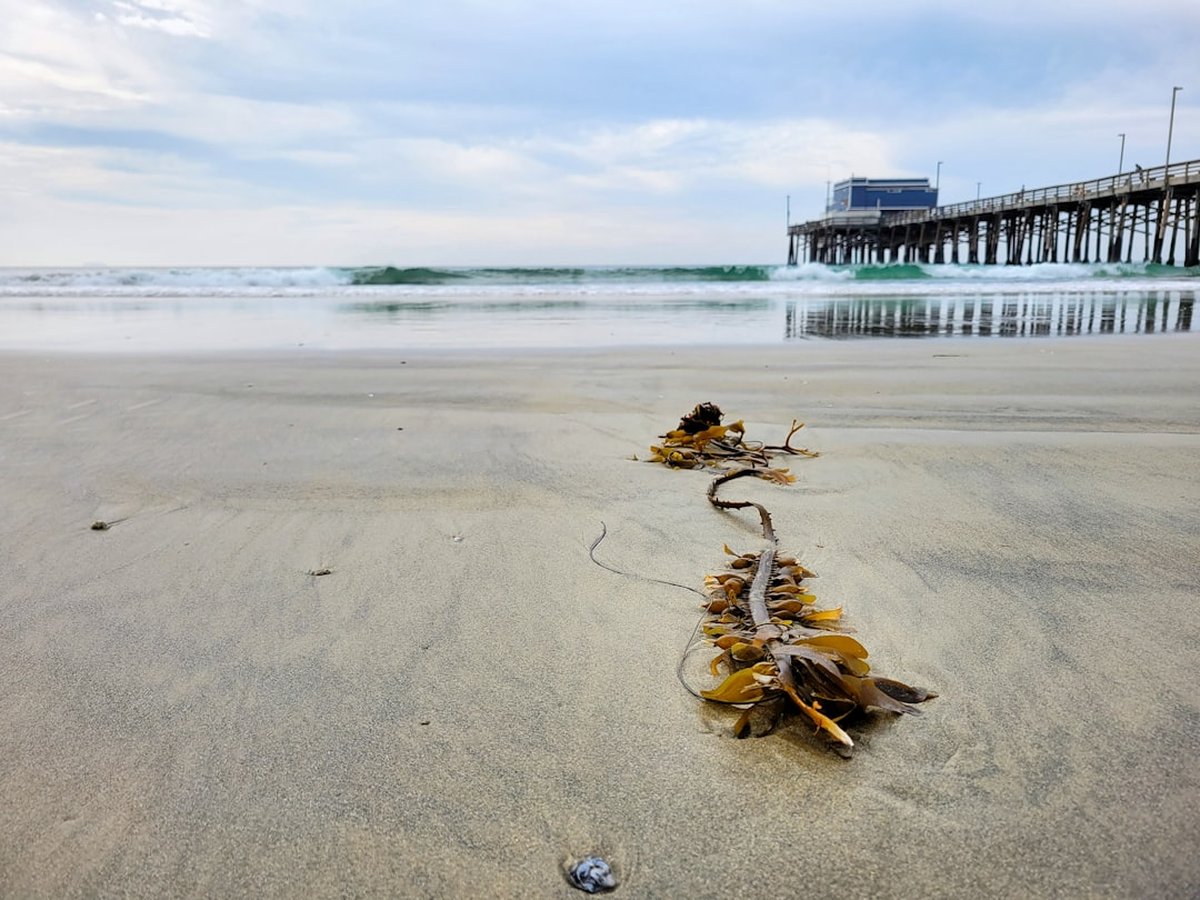
Picture yourself walking along the rugged cliffs of Big Sur at low tide, the morning fog lifting to reveal tide pools teeming with life. Beneath your feet lies a nutritional pharmacy that has sustained coastal communities for thousands of years—from the Chumash people of the Channel Islands to the Ohlone of the San Francisco Bay. California coastal foraging nutrition isn't just a trendy wellness pursuit; it's a return to one of humanity's oldest and most sustainable food traditions.
California's 840 miles of coastline represent one of the most biodiverse marine environments on Earth, thanks to the nutrient-rich waters of the California Current. This cold-water upwelling system creates ideal conditions for an abundance of edible seaweeds, shellfish, and wild coastal plants that rival—and often exceed—the nutritional density of anything you'll find in a grocery store.
In this comprehensive guide, you'll discover how to safely identify, harvest, and prepare California's coastal bounty. We'll explore the remarkable nutritional profiles of Pacific kelp, sea lettuce, mussels, and wild greens like sea beans and ice plant. You'll learn the regulations that govern coastal foraging, the environmental considerations that make sustainable harvesting essential, and the techniques that will help you transform tide pool treasures into nourishing meals.
Whether you're a seasoned forager looking to expand your repertoire or a curious newcomer ready to explore California's edible shoreline, this guide will equip you with the knowledge to forage safely, sustainably, and deliciously.
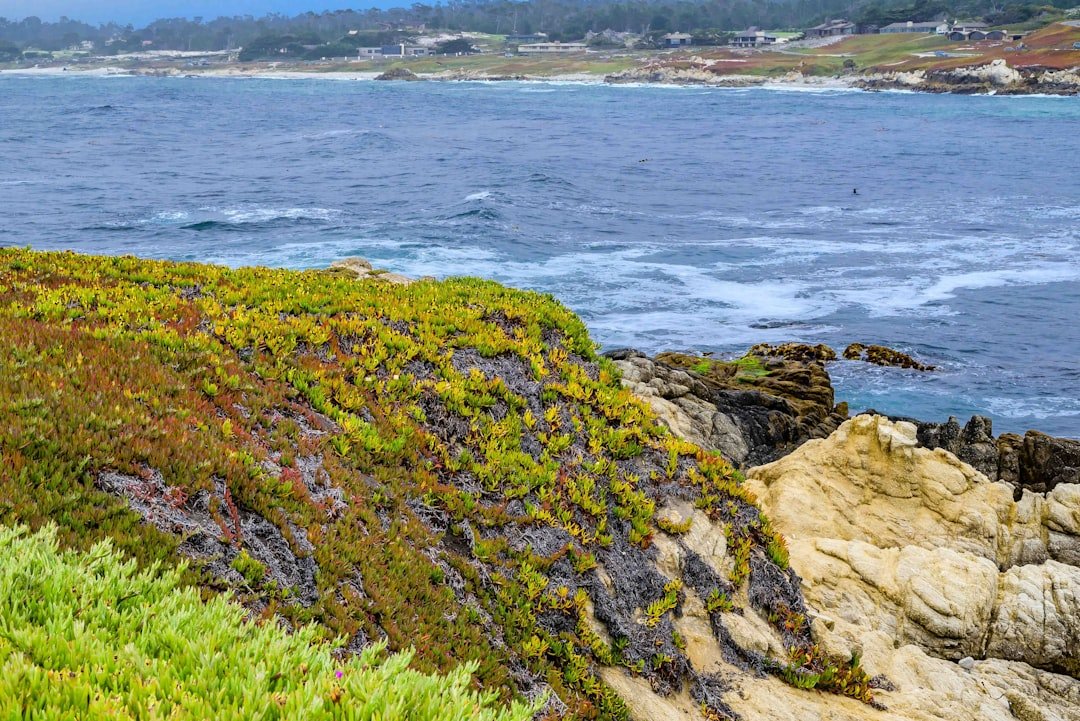
Photo by Naveen Naidu on Unsplash
What is Coastal Foraging?
Coastal foraging is the practice of harvesting wild, edible foods from shoreline environments—including the intertidal zone (the area between high and low tide), rocky outcrops, sandy beaches, and coastal bluffs. This ancient practice encompasses three primary categories of wild foods: marine algae (seaweeds), shellfish and other invertebrates, and terrestrial coastal plants that thrive in the unique conditions of the shoreline ecosystem.
Unlike terrestrial foraging, coastal harvesting operates on the rhythm of the tides. The intertidal zone—that dynamic boundary between land and sea—reveals its treasures only during low tide windows, making timing essential to successful foraging. According to the National Oceanic and Atmospheric Administration (NOAA), California experiences mixed semidiurnal tides, meaning two unequal high tides and two unequal low tides each day, creating varying foraging opportunities.
The Three Domains of Coastal Foraging
Marine Algae (Seaweeds): California's waters host over 650 species of marine algae, divided into three main groups—brown algae (like kelp and wakame), red algae (including nori and dulse), and green algae (such as sea lettuce). These ocean vegetables represent some of the most nutrient-dense foods on the planet.
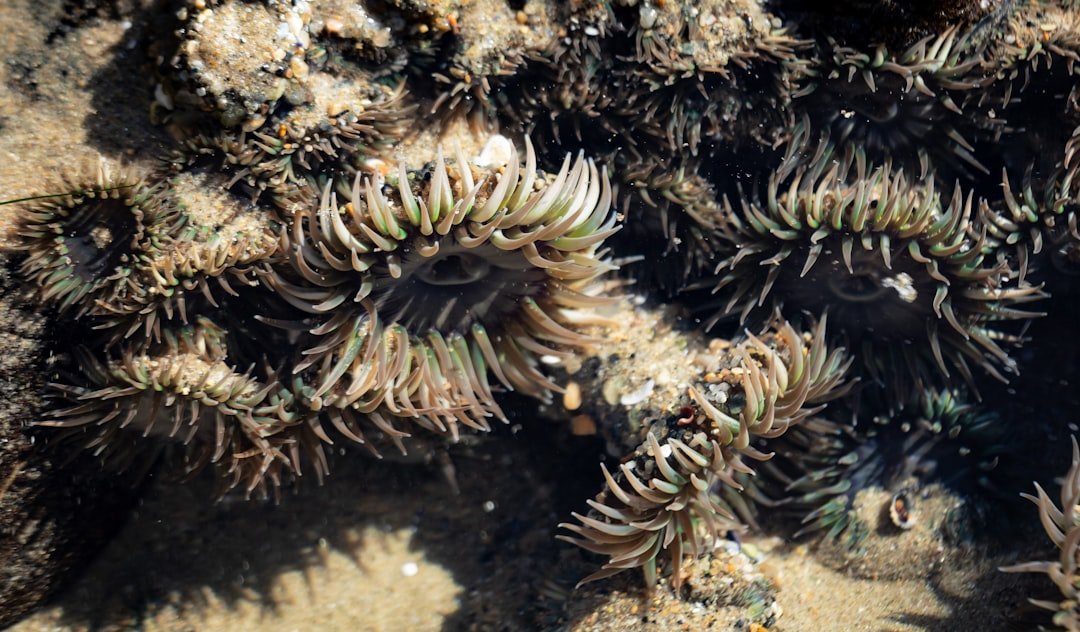
Shellfish and Invertebrates: Mussels, clams, oysters, sea urchins, and various crustaceans inhabit California's coastal waters. These protein-rich foods have sustained human populations for millennia, as evidenced by the shell middens found throughout the California coast.
Coastal Plants: The zone where land meets sea creates unique growing conditions that support specialized plant communities. Sea beans (salicornia), ice plant, sea rocket, and various coastal succulents offer distinctive flavors and impressive nutritional profiles.
| Category | Examples | Primary Nutrients | Best Harvest Season |
|---|---|---|---|
| Brown Seaweeds | Giant kelp, bull kelp, wakame, kombu | Iodine, fucoidan, alginates, potassium | Spring through fall |
| Red Seaweeds | Nori, dulse, Turkish towel, Irish moss | Protein, iron, vitamin B12, antioxidants | Year-round (varies by species) |
| Green Seaweeds | Sea lettuce, gutweed, green string lettuce | Iron, magnesium, vitamin C, protein | Spring and summer |
| Bivalve Shellfish | Mussels, clams, oysters | Zinc, B12, omega-3s, selenium | November through April |
| Coastal Plants | Sea beans, ice plant, sea rocket | Vitamin C, minerals, antioxidants | Spring and early summer |
A Brief History of California Coastal Foraging
California's indigenous peoples developed sophisticated coastal foraging practices over thousands of years. Archaeological evidence from Channel Islands sites dating back 13,000 years reveals extensive shellfish harvesting and seaweed consumption. The Chumash people were particularly renowned as maritime foragers, developing the tomol (plank canoe) to access kelp forests and offshore fishing grounds.
The arrival of Asian immigrants in the 19th century brought new coastal foraging traditions to California. Japanese and Chinese communities established abalone and seaweed harvesting operations that continued until the 20th century. Today, we're witnessing a renaissance in coastal foraging, driven by renewed interest in local food systems, nutritional density, and sustainable practices.
Modern coastal foraging in California operates within a framework of regulations designed to protect marine ecosystems while allowing sustainable harvest. Understanding these rules isn't just about legal compliance—it's about ensuring that these wild foods remain available for future generations.
Why California Coastal Foraging Nutrition Matters
The nutritional case for coastal foraging is compelling. Wild-harvested marine foods offer nutrient concentrations that cultivated alternatives simply cannot match. But the benefits extend far beyond personal health—coastal foraging connects us to place, promotes environmental awareness, and supports a more sustainable relationship with our food systems.
Unparalleled Nutrient Density
Seaweeds are nutritional powerhouses that have no terrestrial equivalent. According to research published in the Journal of Applied Phycology, marine algae contain up to 10 times the mineral content of land vegetables. A single tablespoon of dried kelp provides more iodine than most people consume in a month—a critical nutrient for thyroid function that's often deficient in modern diets.
Wild shellfish harvested from clean California waters offer exceptional concentrations of zinc, selenium, vitamin B12, and omega-3 fatty acids. Pacific mussels, for instance, provide more than 100% of the daily value for B12 and selenium in just a three-ounce serving. These nutrients are presented in their most bioavailable forms, meaning your body can absorb and utilize them more efficiently than synthetic supplements.
Environmental and Sustainability Benefits
Coastal foraging, when practiced responsibly, represents one of the most sustainable ways to obtain food. Seaweeds require no freshwater, fertilizers, or arable land to grow. They actually improve water quality by absorbing excess nitrogen and carbon dioxide. The Monterey Bay Aquarium's Seafood Watch program recognizes sustainably harvested seaweed as a "Best Choice" for environmentally conscious consumers.
Wild filter-feeding shellfish like mussels and oysters clean the water as they feed, filtering up to 50 gallons per day per individual. By harvesting these organisms sustainably (and only from approved areas), foragers participate in an ecosystem that benefits marine health rather than degrading it.
Connection to Place and Season
In an era of industrialized food systems that deliver the same products year-round regardless of location, coastal foraging restores our connection to place and season. When you harvest sea lettuce from a Mendocino tide pool or gather mussels from a Malibu reef, you're engaging with your local ecosystem in an intimate, meaningful way.
This connection fosters environmental stewardship. Foragers become observers of their coastal environments, noticing changes in water clarity, species abundance, and habitat health. Many coastal conservation efforts are led by foragers who developed their environmental awareness through hands-on engagement with these ecosystems.
- Exceptional nutrient density surpassing most cultivated foods
- Zero environmental inputs—no water, land, or fertilizer required for seaweeds
- Fresh, local food with minimal carbon footprint
- Deep connection to California's coastal ecosystems
- Free food source once you learn proper techniques
- Supports understanding of marine conservation needs
- Requires knowledge of regulations and safety considerations
- Limited harvest windows based on tides and seasons
- Water quality concerns in some areas require careful site selection
- Initial learning curve for identification and preparation
- Shellfish quarantines during harmful algal blooms
- Physical demands of accessing remote coastal areas
How to Forage California's Coastal Bounty
Successful coastal foraging requires preparation, knowledge, and respect for both the environment and the regulations that protect it. This section provides a comprehensive framework for planning and executing safe, legal, and sustainable foraging expeditions along California's diverse coastline.
Step 1: Understand California Foraging Regulations
Before harvesting anything from California's coast, you must understand the legal framework governing coastal foraging. The California Department of Fish and Wildlife (CDFW) regulates the harvest of all marine organisms, and violations can result in significant fines.
Fishing License Requirements: A valid California fishing license is required to harvest any marine invertebrates, including shellfish. Licenses can be purchased online through the CDFW website and cost $54.00 for residents (as of 2024). Seaweed harvesting for personal use typically doesn't require a license if you're collecting from unprotected areas, but commercial harvest requires permits.
Marine Protected Areas: California's network of Marine Protected Areas (MPAs) restricts or prohibits take in many coastal zones. The California MPA website provides interactive maps showing protected areas. Always verify your intended foraging location isn't within an MPA before harvesting.
Species-Specific Limits: Daily bag limits apply to most harvestable species. For example, mussels have a daily limit of 10 pounds (in shell), while sea urchins are limited to 35 per day. These limits exist to ensure sustainable populations—respect them.
-
Required for all invertebrate harvest; purchase online at wildlife.ca.gov
-
Verify your intended harvest location is not within a no-take or restricted zone
-
CDPH issues quarantines during harmful algal blooms; check before harvesting bivalves
-
Plan foraging around low tide windows for best access; negative tides are ideal
-
Know daily limits, size requirements, and seasonal closures for target species
-
Avoid areas near storm drains, harbors, or other pollution sources
-
Mesh bags, sharp knives, and coolers with ice for safe transport
Step 2: Monitor Shellfish Safety Advisories
Shellfish safety is paramount. Filter-feeding bivalves like mussels, clams, and oysters can accumulate dangerous levels of biotoxins during harmful algal blooms (HABs), even when the water appears clean. These toxins cause paralytic shellfish poisoning (PSP), domoic acid poisoning, and other serious conditions that cooking cannot neutralize.
The California Department of Public Health (CDPH) monitors biotoxin levels and issues quarantines when levels exceed safe thresholds. From May through October, an annual mussel quarantine typically prohibits harvest of sport-collected mussels, clams, and scallops along the entire California coast. Always check current advisories before harvesting any bivalve shellfish.
Step 3: Choose Your Foraging Location
Not all coastal areas are created equal for foraging. Ideal locations combine legal access, clean water, abundant target species, and safe physical conditions.
Northern California: The Mendocino and Sonoma coasts offer exceptional seaweed diversity and relatively pristine waters. Bodega Bay, Point Arena, and the Lost Coast provide excellent foraging, though access can be challenging.
Central California: Monterey Bay's kelp forests are legendary, and the region offers diverse foraging opportunities. Half Moon Bay, Santa Cruz, and Big Sur coastlines all support sustainable harvest, though many areas fall within MPAs.
Southern California: From Malibu to San Diego, the warmer waters support different species assemblages. The Channel Islands offer incredible diversity but require boat access. Mainland foraging opportunities exist at Leo Carrillo, Crystal Cove, and La Jolla.
Step 4: Master Seaweed Identification and Harvest
Seaweed foraging is the most accessible entry point to coastal harvesting. Start with easily identifiable species that have no toxic look-alikes.
Giant Kelp (Macrocystis pyrifera): California's iconic kelp forms underwater forests visible from shore. Harvest only the floating canopy blades, never the holdfast (root-like structure). Cut blades cleanly with scissors or a sharp knife. Giant kelp is rich in alginates, iodine, and potassium.
Sea Lettuce (Ulva spp.): This bright green, translucent seaweed resembles terrestrial lettuce leaves. It grows abundantly in tide pools and on rocks throughout California. Sea lettuce is high in protein, iron, and vitamins A and C. Harvest by hand, taking only a portion of each patch.
Nori/Laver (Porphyra spp.): This delicate red-to-purple seaweed is the same species used for sushi wrapping. Wild nori has a more intense flavor than cultivated varieties. It's exceptionally high in protein (up to 47% dry weight) and vitamin B12. Harvest from rocks in the mid-intertidal zone.
Step 5: Safe Shellfish Harvesting Techniques
Shellfish harvesting requires more caution than seaweed collection due to biotoxin concerns and the potential for contamination in polluted waters.
California Mussels (Mytilus californianus): These robust bivalves cluster on exposed rocks in the intertidal zone. Harvest only during quarantine-free periods (typically November through April). Choose mussels at least 2.5 inches long from clean, wave-exposed areas. Twist and pull to remove—never use tools that damage the substrate.
Pacific Littleneck Clams (Leukoma staminea): Found buried in gravel and sandy mud in protected bays, these sweet clams require digging with a small rake or by hand. The daily limit is 50 clams, and they must be at least 1.5 inches across.
Sea Urchins (Strongylocentrotus spp.): The purple and red sea urchins of California contain prized uni (gonads). Harvest with a flat pry bar, working carefully to avoid damaging urchins you don't take. The daily limit is 35 urchins.
Step 6: Identify and Harvest Coastal Plants
The zone where salt spray meets shore supports unique plant communities with culinary potential.
Sea Beans/Glasswort (Salicornia spp.): These succulent, bright green plants grow in salt marshes and along protected shorelines. Their salty, crunchy texture makes them excellent raw in salads or pickled. Harvest the tender tips by pinching—avoid pulling up roots.
Ice Plant (Carpobrotus edulis): Though technically invasive, ice plant's fleshy leaves and flower petals are edible with a sour, salty flavor. The fruit is sweet and fig-like. Harvesting ice plant actually helps native habitat restoration.
Sea Rocket (Cakile maritima): This mustard-family plant grows on sandy beaches and dunes. The leaves, flowers, and seed pods have a wasabi-like spiciness. Use sparingly as a condiment or salad accent.
Common Mistakes to Avoid
Coastal foraging mistakes range from minor inconveniences to potentially life-threatening situations. Learn from others' errors to ensure your foraging experiences are safe and successful.
Ignoring Shellfish Quarantines
This is the most dangerous mistake a coastal forager can make. Paralytic shellfish poisoning from biotoxins accumulated during harmful algal blooms can cause paralysis and death within hours. These toxins are heat-stable—cooking does not destroy them. There is no way to detect contaminated shellfish by appearance, smell, or taste.
The Solution: Never harvest bivalve shellfish without first checking the CDPH shellfish safety hotline (800-553-4133) or website. During the annual mussel quarantine (typically May through October), do not harvest mussels, clams, or scallops from any California beach regardless of how clean the water appears.
Foraging Near Pollution Sources
Seaweeds and shellfish are bioaccumulators—they concentrate whatever is in the water around them. Harvesting near storm drains, harbors, industrial areas, or river mouths can expose you to heavy metals, pathogens, and chemical contaminants.
The Solution: Choose foraging sites at least one mile from any obvious pollution source. Look for areas with strong wave action and water circulation. The cleanest sites are typically rocky headlands exposed to open ocean swells rather than protected bays near urban areas.
Misidentifying Species
While most seaweeds are safe to eat, confusion between edible and non-edible species can result in unpleasant experiences. More critically, some coastal plants have toxic look-alikes.
The Solution: Never eat anything you haven't positively identified. Start with easily recognizable species like giant kelp, sea lettuce, and California mussels. Invest in regional field guides such as "The New Beachcomber's Guide to the Pacific Coast" by J. Duane Sept. Consider joining guided foraging walks offered by organizations like the California Naturalist program.
| Mistake | Risk Level | Consequence | Prevention |
|---|---|---|---|
| Ignoring shellfish quarantines | Critical | Paralytic shellfish poisoning, potential death | Always check CDPH hotline before harvest |
| Foraging near pollution sources | High | Heavy metal exposure, illness from pathogens | Harvest only from clean, wave-exposed areas |
| Species misidentification | Moderate to High | Digestive upset to serious poisoning | Use field guides; never eat unidentified species |
| Over-harvesting a single spot | Moderate | Ecosystem damage, depleted future harvests | Take only 10-20% of any patch; rotate locations |
| Ignoring tide timing | Moderate to High | Stranding, injury from waves | Plan around low tides; watch for sneaker waves |
| Harvesting in MPAs | Moderate | Fines up to $1000+; ecological harm | Check MPA maps before every trip |
Over-Harvesting a Single Location
Enthusiastic foragers sometimes strip an area clean, particularly when they find an abundant patch of a prized species. This degrades the ecosystem and eliminates future harvesting opportunities.
The Solution: Practice the "10-20% rule"—never take more than 10-20% of any seaweed patch or shellfish cluster. Rotate between multiple foraging sites to allow recovery. Leave the largest and smallest individuals; take only medium-sized specimens.
Underestimating Ocean Hazards
The Pacific Ocean demands respect. Sneaker waves—unexpectedly large waves that surge much higher than preceding waves—claim lives every year along the California coast. Rocky intertidal zones become slippery and treacherous when wet.
The Solution: Never turn your back on the ocean. Wear appropriate footwear with excellent grip (neoprene booties or water shoes with aggressive tread). Check tide tables and plan your foraging window carefully. Always forage with a partner in remote locations.
Improper Storage and Handling
Fresh-harvested seaweed and shellfish are highly perishable. Improper handling between harvest and kitchen can lead to spoilage and foodborne illness.
The Solution: Bring a cooler with ice to the beach. Store seaweed in mesh bags or damp cloth—not sealed plastic, which promotes bacterial growth. Keep shellfish alive until cooking by storing on ice covered with damp cloth. Process your harvest within 24 hours of collection.
Best Practices for Sustainable Coastal Foraging
Sustainable foraging ensures that California's coastal bounty remains available for future generations. These best practices go beyond mere regulation compliance to embrace a stewardship ethic that enhances rather than depletes marine ecosystems.
Harvest Ethically and Minimally
The most important principle of sustainable foraging is restraint. Take only what you need and will actually use. Wild foods spoil faster than cultivated alternatives, so it's better to make multiple small harvesting trips than one large haul that partially goes to waste.
Follow the "Rule of Thirds": leave one-third for wildlife, one-third for other foragers, and take only one-third for yourself. In practice, this often means taking even less—perhaps 10-20% of any given patch. Healthy, abundant populations are more resilient to environmental stressors and more likely to persist through challenging conditions.
Protect the Habitat
The way you harvest matters as much as how much you take. Careless foraging damages the very ecosystems that produce your food.
For seaweeds: Cut rather than pull. Pulling uproots the holdfast, killing the entire organism. Clean cuts through the stipe (stem) allow regrowth from the base. Never harvest entire plants; leave at least half of each individual.
For shellfish: Don't pry mussels off with tools that scrape rock surfaces. Twist and pull individual specimens. Avoid trampling barnacles and other organisms while accessing your target species. Replace any rocks you turn over—the creatures beneath them depend on that shelter.
For coastal plants: Pinch or cut; never pull up roots. Harvest from abundant stands, not isolated individuals. Take only tender new growth, leaving the plant structure to regenerate.
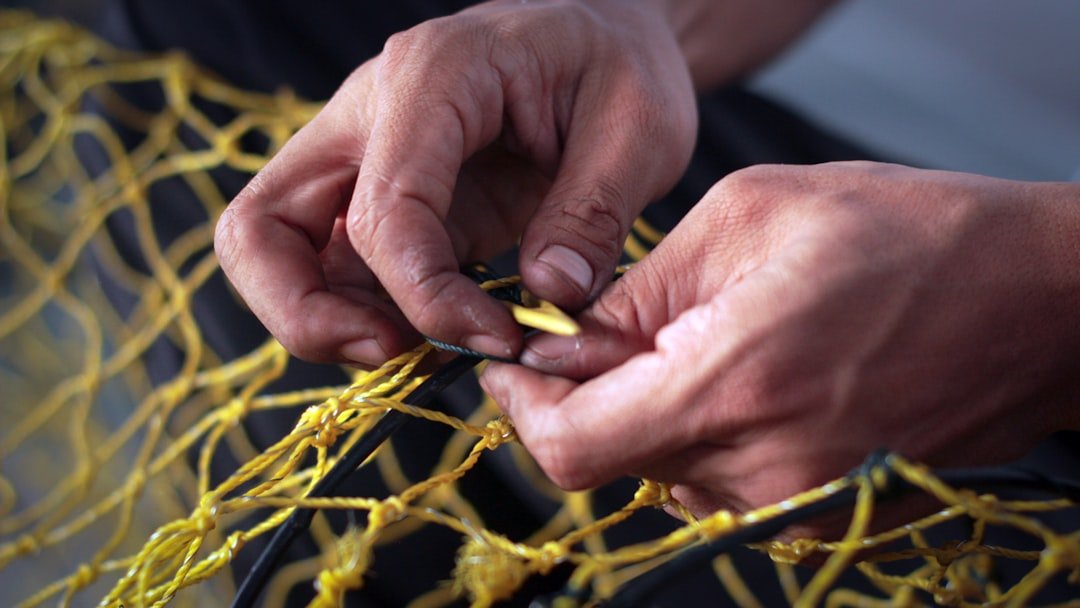
Photo by dananjaya nugraha on Unsplash
Time Your Harvest Strategically
Seasonal Timing: Many coastal organisms have seasonal cycles that affect both quality and sustainability. Seaweeds are generally best in spring and early summer when growth is most active. Shellfish are traditionally harvested in months with an "R" (September through April) when they're not spawning and water temperatures are cooler.
Tidal Timing: The lowest tides of the month (spring tides occurring around new and full moons) expose the greatest intertidal area. These extreme low tides, particularly negative tides, provide access to organisms normally submerged. Consult tide tables from NOAA's Tides & Currents service to plan your foraging windows.
Time of Day: Early morning foraging offers several advantages: cooler temperatures preserve your harvest quality, beaches are less crowded, and you'll complete your harvest before the day's heat stresses exposed organisms.
Keep Detailed Foraging Records
Maintaining a foraging journal benefits both you and the broader foraging community. Record what you harvested, where, when, quantities taken, and observations about the site's condition. Over time, this data reveals patterns in seasonal abundance, helps you rotate between sites appropriately, and creates a personal reference for optimal timing.
-
Wild-harvested foods spoil quickly; smaller, frequent harvests reduce waste
-
Ensures ecosystem resilience and future harvesting opportunities
-
Clean cuts allow regeneration; uprooting kills the organism
-
Allow at least 2-3 weeks between harvests at the same location
-
Spring tides around new/full moons provide best access
-
Helps track site conditions and ensures sustainable rotation
-
Organisms beneath depend on shelter; disturbance causes mortality
-
Leave foraging sites cleaner than you found them
Engage with Conservation Efforts
Sustainable foragers often become passionate marine conservationists. Your regular presence at coastal sites positions you to notice environmental changes, pollution events, or unusual conditions that might warrant reporting.
Consider participating in citizen science programs like iNaturalist to document species observations, or volunteer with local beach cleanup and habitat restoration efforts. Organizations like the Surfrider Foundation and local chapters of the Audubon Society offer opportunities to give back to the coastal ecosystems that provide your harvest.
Report any unusual conditions—dead wildlife, oil sheens, algal blooms, or pollution—to the California Office of Spill Prevention and Response at 1-800-OILS-911. Your observations contribute to the collective monitoring that keeps California's coast healthy.
Nutritional Profiles of California's Coastal Foods
Understanding the specific nutritional benefits of coastal foods helps you target species that address particular health goals. California's coastal bounty offers solutions for everything from thyroid support to anti-inflammatory nutrition.
Seaweeds: Ocean Vegetables with Superior Nutrition
Giant Kelp (Macrocystis pyrifera) California's giant kelp is one of the fastest-growing organisms on Earth and a nutritional treasure. It's exceptionally rich in iodine—essential for thyroid function but deficient in many modern diets. Kelp also contains fucoidan, a sulfated polysaccharide researched for potential anti-cancer, anti-viral, and anti-inflammatory properties. According to studies published in Marine Drugs, fucoidan shows promise in supporting immune function and cardiovascular health.
Kelp's alginates (gel-forming fibers) support digestive health and may help reduce the absorption of heavy metals and radioactive particles—a form of internal detoxification.
Nori/Laver (Porphyra spp.) Wild California nori is a protein powerhouse, containing up to 47% protein by dry weight—comparable to soybeans. Crucially for those following plant-based diets, nori is one of the few non-animal sources of bioavailable vitamin B12. It's also rich in taurine, an amino acid important for cardiovascular and nervous system health.
Sea Lettuce (Ulva spp.) This bright green seaweed offers exceptional iron content—eight times more than spinach by weight. It's also an excellent source of magnesium, essential for muscle function, energy production, and stress response. Sea lettuce's high protein content (up to 26% dry weight) and complete amino acid profile make it valuable for plant-forward diets.
Shellfish: Complete Protein from the Sea
California Mussels (Mytilus californianus) Wild mussels are remarkably nutrient-dense relative to their calorie content. A three-ounce serving provides 340% of daily B12 needs, 100% of daily selenium, and significant amounts of zinc, iron, and manganese. Their omega-3 fatty acid content supports brain health and reduces inflammation. Mussels are also surprisingly high in vitamin C—unusual for an animal food.
Pacific Oysters Oysters are legendary for their zinc content—essential for immune function, wound healing, and testosterone production. A single medium oyster provides more zinc than any other food source. Wild Pacific oysters also deliver significant omega-3s, B12, copper, and vitamin D.
Sea Urchin Uni The golden gonads of sea urchins are prized in Japanese cuisine and remarkably nutritious. Uni is rich in omega-3 fatty acids (particularly EPA and DHA), protein, and vitamin A. It contains anandamide—sometimes called the "bliss molecule"—which may explain its reputation as a mood-enhancing food.
Coastal Plants: Land Meets Sea Nutrition
Sea Beans (Salicornia spp.) These crunchy succulents are naturally salty, reducing the need for added sodium while providing the flavor. They're excellent sources of vitamin A, calcium, and iron. Research published in the Journal of Food Science notes their significant antioxidant content, particularly beta-carotene.
Ice Plant (Carpobrotus edulis) While invasive, ice plant offers high concentrations of minerals absorbed from coastal soil, including calcium, magnesium, and potassium. The fruits are particularly nutritious, containing vitamin C and natural fruit sugars. Traditional medicine used ice plant as a treatment for digestive issues and skin conditions.
| Food | Key Nutrients | Per 100g/3.5oz | Health Applications |
|---|---|---|---|
| Giant Kelp | Iodine, Fucoidan, Potassium | 1500-2500mcg iodine | Thyroid support, anti-inflammatory |
| Wild Nori | B12, Protein, Taurine | 15g protein, 65mcg B12 | Vegan B12 source, heart health |
| Sea Lettuce | Iron, Magnesium, Vitamin C | 3.9mg iron, 700mg mag | Plant-based iron, muscle function |
| California Mussels | B12, Selenium, Zinc | 24mcg B12, 89mcg selenium | Energy, immune support, detox |
| Pacific Oysters | Zinc, B12, Omega-3s | 78mg zinc, 1000mg omega-3 | Immune function, brain health |
| Sea Urchin Uni | Omega-3s, Vitamin A, Protein | 800mg omega-3, 13g protein | Anti-inflammatory, mood support |
| Sea Beans | Vitamin A, Calcium, Iron | 2400IU vit A, 60mg calcium | Eye health, bone support |
Preparing Your Coastal Harvest
Transforming your foraged bounty into delicious meals requires proper cleaning, storage, and preparation techniques. These methods preserve nutritional value while ensuring food safety.
Cleaning and Storing Seaweeds
Fresh-harvested seaweed often carries sand, small invertebrates, and debris that must be removed before consumption or storage.
Cleaning Process: 1. Rinse harvested seaweed gently in seawater at the beach to remove major debris 2. At home, fill a large bowl with fresh cold water and swish seaweed through it 3. Remove seaweed and drain; repeat with fresh water until no sand remains 4. For kelp and other large species, inspect blades and remove any visible organisms 5. Spin dry in a salad spinner or pat with clean towels
Fresh Storage: Store cleaned seaweed in a perforated container or wrapped in damp cloth in the refrigerator. Do not seal in plastic—seaweed needs airflow to prevent bacterial growth. Fresh seaweed keeps 3-5 days refrigerated.
Drying for Long-Term Storage: Spread cleaned seaweed in a single layer on dehydrator trays or clean window screens. Dry at 95-115°F until crisp and brittle. Store dried seaweed in airtight containers away from light. Properly dried seaweed keeps for 1-2 years.
Shellfish Handling and Preparation
Safe shellfish preparation begins with keeping your harvest alive until cooking.
Transport and Storage: - Keep shellfish on ice during transport, covered with damp cloth (never submerged in water) - Store live shellfish in refrigerator in an open container—they need to breathe - Discard any shells that are cracked, open and don't close when tapped, or smell off - Use within 24-48 hours of harvest
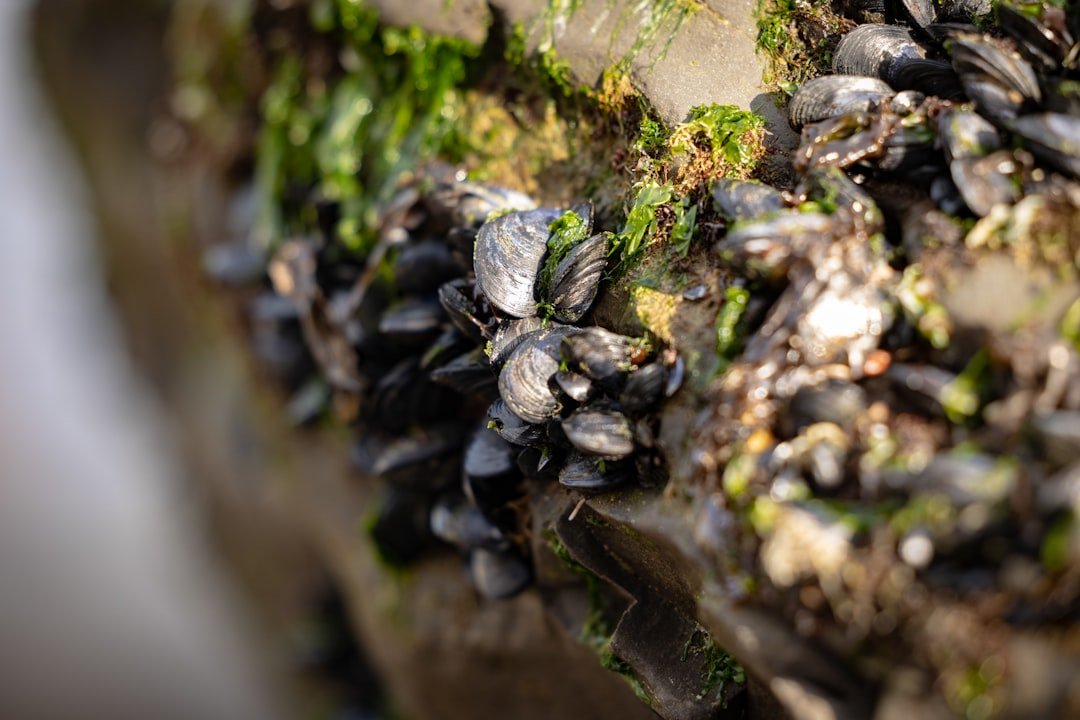
Cleaning Mussels: 1. Scrub shells under cold running water with a stiff brush 2. Remove the "beard" (byssal threads) by grasping firmly and pulling toward the hinge 3. Discard any mussels with broken shells or that don't close when tapped 4. Soak briefly in cold fresh water with a handful of cornmeal—mussels will filter and expel sand 5. Rinse thoroughly before cooking
Cooking Methods: Steam mussels just until shells open (3-5 minutes). Discard any that remain closed after cooking. The simplest preparation—white wine, garlic, and fresh herbs—lets the briny sweetness shine. Serve with crusty bread to soak up the liquor.
For clams, follow similar cleaning procedures but extend cooking time slightly. Pacific littlenecks are excellent steamed, but also shine in chowders and pasta dishes.
Sea urchins require careful opening with specialized scissors or a sharp knife cutting around the underside. Scoop out the five golden gonads (uni) with a small spoon, rinse gently, and serve immediately for best flavor. Fresh uni is a revelation—sweet, briny, and creamy.
Preparing Coastal Plants
Coastal plants generally require minimal preparation, making them accessible additions to everyday cooking.
Sea Beans: - Rinse thoroughly to remove salt deposits - Trim any woody base portions - Blanch briefly (30 seconds) in boiling water to brighten color and soften slightly - Shock in ice water to preserve color and crunch - Use raw in salads, sautéed as a side, or pickled for longer storage - Note: sea beans are naturally salty—reduce or eliminate added salt in recipes
Ice Plant: - Harvest only tender young leaves and unopened flower buds - Rinse well and pat dry - Use raw in salads for a sour, salty, crunchy element - Quick-pickle in rice vinegar for a unique condiment - The ripe fruits can be eaten fresh or made into jam
Recipe Ideas for Your Coastal Harvest
Kelp Noodles with Uni and Sea Beans: Blanch fresh kelp strips in boiling water for 30 seconds, toss with a light sesame dressing, top with fresh uni and blanched sea beans. Garnish with toasted sesame seeds and microgreens.
California Coastal Chowder: Steam mussels and clams; strain and reserve the liquor. Sauté onion, celery, and potato in butter, add shellfish liquor and cream, simmer until potatoes are tender. Add chopped seaweed (sea lettuce or wakame), cooked shellfish, and fresh herbs. Season with white pepper and lemon.
Seaweed Salad with Citrus: Rehydrate dried sea lettuce and wakame in cold water. Toss with a dressing of orange juice, rice vinegar, sesame oil, and ginger. Add thinly sliced radish and cucumber. Garnish with sesame seeds and citrus segments.
Frequently Asked Questions
Conclusion
California's coastline offers a remarkable opportunity to reconnect with one of humanity's oldest food traditions while accessing nutrition that surpasses almost anything available in stores. From the iodine-rich kelp forests of the North Coast to the mussel-covered rocks of Southern California's tide pools, the Golden State's shoreline provides an edible pharmacy for those willing to learn its secrets.
Coastal foraging nutrition isn't just about the extraordinary nutrient density of seaweeds, shellfish, and coastal plants—though that alone makes it worthwhile. It's about developing an intimate relationship with your local ecosystem, understanding the rhythms of tides and seasons, and becoming an active steward of the marine environment. When you harvest your own sea lettuce or steam mussels you gathered at dawn, you participate in a food tradition that sustained California's first peoples for millennia.
Start small. Learn to identify three or four common species with absolute certainty before expanding your repertoire. Respect the regulations that protect both you and the ecosystem. Practice restraint, taking only what you need and leaving abundant populations for wildlife, other foragers, and future harvests. Keep a journal of your experiences, noting locations, conditions, and observations.
Most importantly, approach coastal foraging with humility and respect. The Pacific Ocean is powerful and unpredictable—never underestimate its hazards. The ecosystems you harvest from are complex and interconnected—your actions have consequences beyond the immediate take. The traditional knowledge that guides sustainable foraging accumulated over countless generations—honor it by practicing what you learn with care.
California's coastal bounty awaits. Grab your mesh bag, check the tide tables, and discover the nutritional treasures hiding in plain sight along our spectacular shoreline.
Ready to Explore More California Nutrition?
Coastal foraging is just one way California's unique environment supports exceptional nutrition. Discover more ways to eat clean and live well with our guides to local farmers markets, seasonal produce calendars, and sustainable seafood choices.
Explore California Clean Eating
Comments
No comments yet. Be the first to comment!
Leave a Comment